
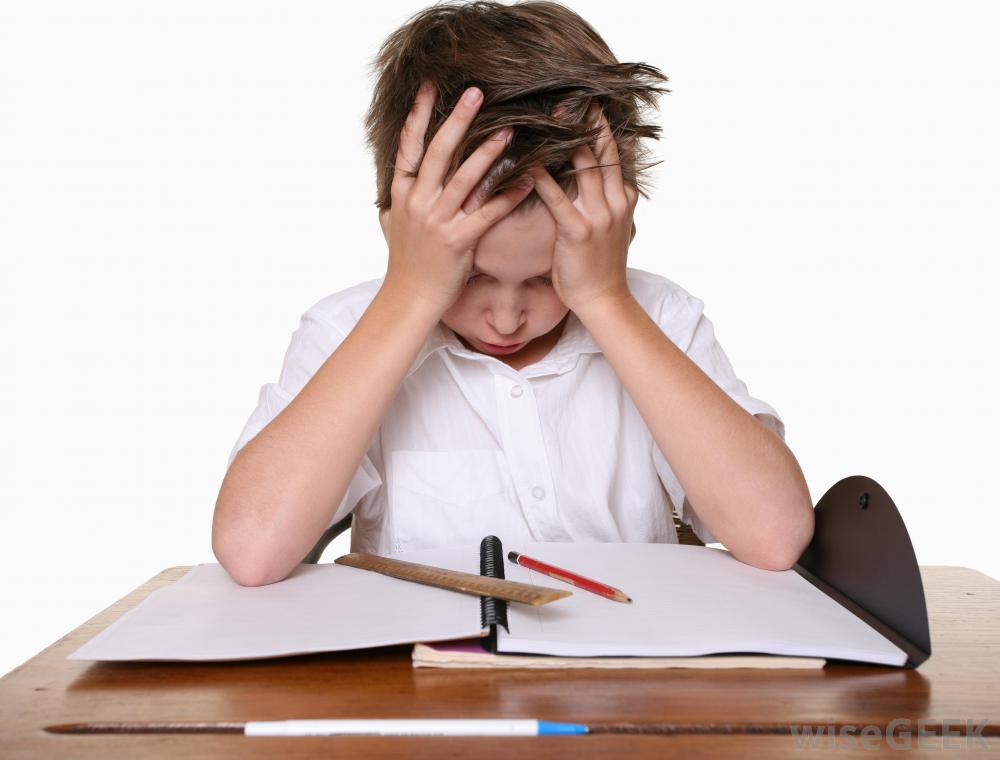
A Rude Child May Be a Dysregulated Child
When a child talks back, refuses to greet adults, becomes unusually quiet after correction, or displays disrespectful behavior, many people quickly label the child as “rude.” While inappropriate behavior should never be excused, it is important to understand that such actions may sometimes be signs of emotional dysregulation rather than intentional disobedience.
Understanding the root cause of a child’s behavior allows parents, teachers, and caregivers to respond more effectively and help the child develop healthy emotional regulation skills.
What Is Emotional Dysregulation?
Emotional dysregulation is the inability to manage and control emotional, physical, or psychological responses appropriately. A dysregulated child struggles to process emotions in a healthy way, making it difficult to respond calmly to situations.
Instead of expressing feelings constructively, the child may react with anger, withdrawal, frustration, or defiance.
Common Signs of Dysregulation in Children
A child experiencing emotional dysregulation may:
- Frequently experience mood swings.
- Become silent or withdrawn after being corrected.
- Talk back to parents, teachers, or caregivers.
- Find it difficult to greet adults respectfully.
- Overreact to minor situations.
- Become easily frustrated or emotionally overwhelmed.
- Have difficulty expressing feelings appropriately.
These behaviors do not always mean the child is naturally rude. They may be struggling with emotions they do not yet know how to manage.
What Causes Emotional Dysregulation?
Several factors can contribute to emotional dysregulation in children.
- 1. Family Dysfunction
One of the most significant contributors is family dysfunction. Constant conflict, instability, neglect, inconsistent discipline, or poor communication at home can affect a child’s emotional development.
- 2. Anxiety
Children dealing with anxiety often respond to stress through irritability, withdrawal, or defensive behavior.
- 3. Fear
Fear of punishment, failure, rejection, or criticism can make children react negatively instead of communicating openly.
- 4. Trauma and PTSD
Children who have experienced traumatic events may struggle to regulate their emotions. Post-Traumatic Stress Disorder (PTSD) can significantly affect behavior, concentration, and emotional responses.
When Should Parents Be Concerned?
It is perfectly normal for children to occasionally display rude or challenging behavior as they grow and learn.
However, if these behaviors become frequent, intense, or begin affecting relationships at home or school, they should not be ignored. Early intervention often leads to better emotional and behavioral outcomes.
What Parents Should Avoid
Sometimes, what parents avoid doing is just as important as what they choose to do.
- Avoid Physical Punishment
Many parents react instinctively by slapping or hitting a child who behaves rudely. Unfortunately, physical punishment often increases fear, anger, and emotional instability rather than teaching self-control.
Violence may stop the behavior temporarily, but it rarely addresses the underlying emotional problem.
- Avoid Verbal Abuse
Calling children names or using insulting language can damage their self-esteem and teach them to communicate disrespectfully.
Children often imitate the language they hear from adults.
- Don’t Ignore the Behavior
Showing understanding does not mean ignoring inappropriate behavior. Children need loving correction, clear boundaries, and consistent expectations.
Allowing repeated disrespect without correction may reinforce unhealthy habits.
Positive Ways to Help a Dysregulated Child
Parents and caregivers can support emotional development by:
- Staying calm during difficult moments.
- Listening carefully before reacting.
- Teaching children to identify and express their emotions.
- Maintaining consistent rules and routines.
- Encouraging respectful communication.
- Praising positive behavior.
- Seeking professional support when emotional difficulties persist.
- Patience, consistency, and empathy are powerful tools in helping children build emotional resilience.
The Role of Teachers and Tutors
Teachers and tutors also play an important role in helping children regulate their emotions. A supportive learning environment, positive reinforcement, and open communication can significantly improve a child’s confidence, behavior, and academic performance.
Working together with parents ensures children receive consistent guidance both at home and during learning sessions.
Final Thoughts
Every child deserves understanding, guidance, and positive discipline. While rude behavior should never be encouraged, it is equally important to look beyond the behavior and identify any emotional challenges the child may be facing.
With early intervention, patience, and consistent support, children can learn to regulate their emotions, develop respectful behavior, and build healthier relationships.
A Rude Child May Be a Dysregulated Child
Need a Professional Home Tutor?
At Asamly Tutors, we believe that education goes beyond academics. Our experienced tutors help children improve their learning while building confidence, discipline, emotional intelligence, and positive character.
Whether your child needs academic support, exam preparation, or one-on-one guidance, we are here to help.
Book a Tutor today and give your child the opportunity to succeed both academically and emotionally.
A Rude Child May Be a Dysregulated Child
